
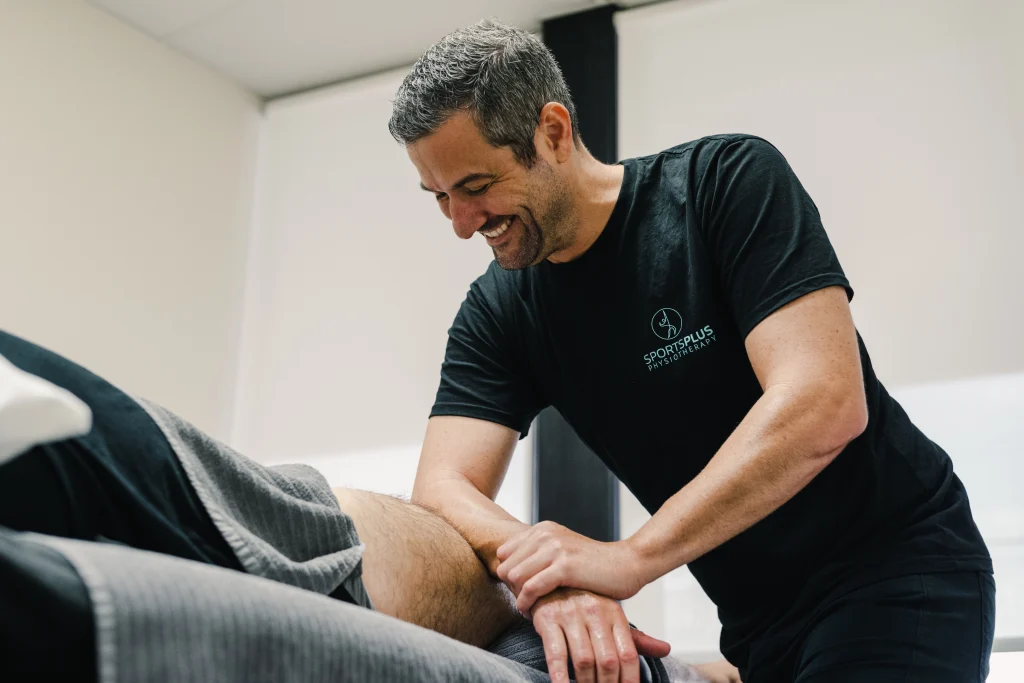
Running is one of the simplest ways to stay active, but the demands it places on your body can add up quickly. Whether you’re building towards your first 5 km, training for a marathon or simply running a few times a week, repetitive loading can leave your muscles feeling tight, sore and fatigued.
When Should You Book a Sports Massage?
Clinical sports massage can be a valuable addition to a runner’s training routine, helping you manage these demands and keep feeling your best throughout your training. But when should you book one, and what benefits can you expect?
Supporting Recovery After Training
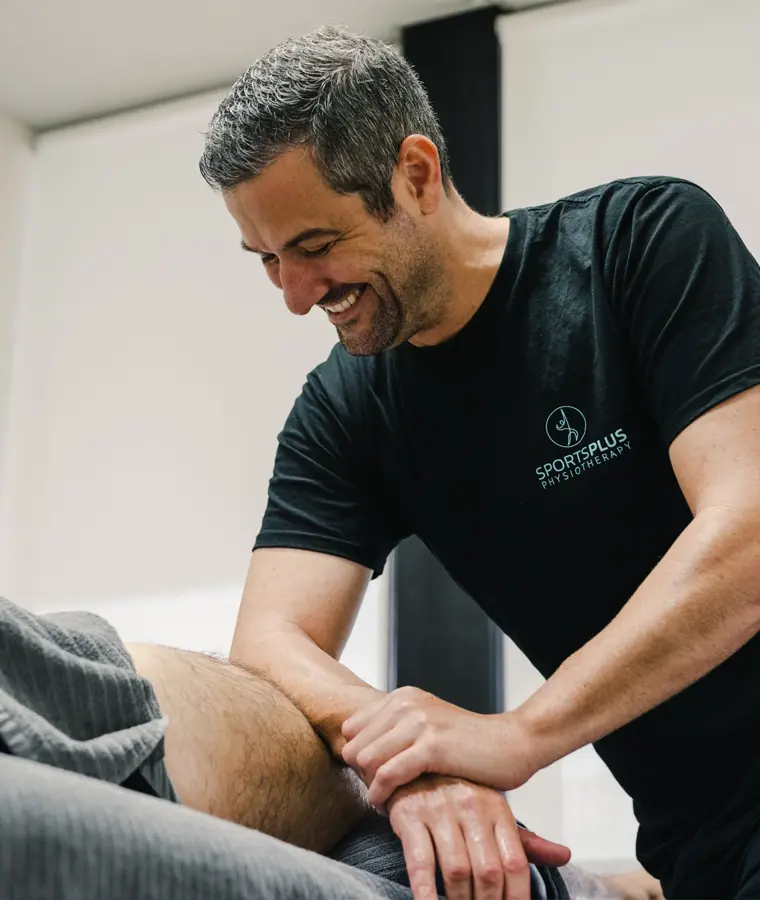
Long runs, hill sessions and speed work all create physical stress that your body needs time to recover from. It’s normal to experience muscle soreness, stiffness and fatigue, particularly when increasing your training load.
One of the most useful roles of sports massage is helping runners manage this post-exercise soreness. Research suggests massage can provide a modest reduction in delayed-onset muscle soreness (DOMS) following exercise. While this doesn’t mean massage instantly “heals” your muscles, feeling less sore and more comfortable can make the recovery period more manageable. [1]
For runners completing multiple sessions each week, this can be particularly valuable when trying to stay consistent with training.
Improving Flexibility and Mobility
Regular running can leave some areas feeling restricted, particularly when combined with increases in training volume or intensity.
Massage has been shown to have small benefits for flexibility, which can help improve how certain areas feel and move. [1] Your therapist can also focus treatment on areas that are particularly relevant to your running, such as the calves, hamstrings, quadriceps, glutes and hip muscles.
Rather than simply trying to make every muscle “loose,” the goal is to help you move comfortably and address areas that may be limiting your training or contributing to discomfort.
Helping You Manage Training Load
One of the biggest benefits of seeing a clinical sports massage therapist is that treatment can be tailored around your training.
For example, a runner completing a long run on the weekend may benefit from a different treatment approach than someone preparing for a speed session or recovering from a particularly demanding week.
Your therapist can take into account what you’ve been doing, what is coming up in your training and how your body is responding. Treatment intensity and the areas being addressed can then be adjusted accordingly.
This makes sports massage more than simply a recovery treatment – it can become part of your overall training strategy.
Preparing for Your Next Session
When you’re training consistently, the goal isn’t to feel perfect once and then wait until you’re sore again. It’s about keeping your body feeling good enough to complete your next session and continue progressing.
A well-timed treatment between key training sessions may help reduce feelings of stiffness and soreness, allowing you to feel more comfortable heading into your next run.
For this reason, many runners choose to incorporate sports massage regularly during heavier training periods rather than only booking when something is already painful.
Before and After a Race
Massage can also have a place around race day, but timing matters. If you want treatment before an event, it’s best to have it as part of your normal training routine rather than trying an intense treatment for the first time immediately before a race.
A familiar, appropriately timed treatment can help you feel comfortable and ready to perform. After a race, massage can also be useful as part of your recovery routine, particularly following longer events where muscle soreness and fatigue can be significant.
It’s important to keep expectations realistic. Evidence does not suggest that massage directly makes you stronger or faster, but it can support recovery, flexibility and perceived muscle soreness, all of which can contribute to a more comfortable training experience. [1]
When Should You Book?
There isn’t one perfect time for every runner. Your ideal treatment schedule depends on your training volume, goals and how your body is responding. Sports massage may be particularly beneficial:
- After long or demanding training sessions
- During periods of increasing running volume
- Between key training sessions
- When muscles are feeling persistently tight or sore
- As part of a regular training and recovery routine
- Before or after races, when appropriately timed
Importantly, sports massage isn’t a replacement for good training, strength work, sleep, nutrition or adequate recovery. Instead, it’s another tool that can help you manage the physical demands of running.
Keep Running. Recover Better.
Whether you’re training for an event or simply want to keep your body feeling its best, clinical sports massage can be a valuable part of your running routine. Our therapists can tailor treatment to your current training, identify areas that need attention and help you manage the demands of running so you can keep doing what you love.
Ready to give your running the support it deserves? Book a clinical sports massage with
our team today.
References
1. Davis HL, Alabed S, Chico TJA. Effect of sports massage on performance and recovery:
a systematic review and meta-analysis. BMJ Open Sport & Exercise Medicine.
2020;6:e000614.
2. Moreira NB, et al. Massage therapy slightly decreased pain intensity after habitual
running, but had no effect on fatigue, mood or physical performance: a randomised trial.
Journal of Physiotherapy. 2019.


