

Foot pain, especially on the bottom of the foot, is a widespread issue affecting millions of people globally. According to a 2019 study published in the Journal of Foot and Ankle Research, approximately 1 in 5 people experience foot pain at any given time, with 7-10% of the population suffering from plantar fasciitis, one of the leading causes of foot pain.
Whether caused by plantar fasciitis, overuse, or flat feet, foot pain can significantly disrupt daily activities, with 83% of individuals reporting limitations in mobility and daily function due to their discomfort (Garrow et al., 2004). Addressing foot pain early can be important as untreated foot pain can lead to more serious issues like chronic inflammation, altered gait, and lower body joint pain (Landorf & Menz, 2008). Seeking professional care, particularly from a physiotherapist, can accelerate recovery and provide effective long-term solutions to prevent recurrence.
This article explores common causes of foot pain and provides evidence-based remedies to help you find relief and improve foot health.
Common Causes of Pain on the Bottom of your Foot

Plantar Fasciitis
Plantar fasciitis is a leading cause of pain on the bottom of the foot, particularly near the heel and arch. It is characterised by inflammation of the plantar fascia, a thick band of connective tissue that runs from the heel bone to the toes. This condition is often linked to factors such as overuse, improper footwear, or biomechanical issues like flat feet. According to a systematic review by Bertolini et al. (2015), plantar fasciitis accounts for a significant portion of foot pain cases, affecting both athletes and non-athletes alike.
Symptoms of Plantar Fasciitis
- Sharp pain, particularly after periods of rest or in the morning.
- Tenderness or stiffness in the heel or along the arch of the foot.
- Pain that exacerbates with prolonged walking or standing.
Flat Feet or Fallen Arches

Flat feet, or fallen arches, occur when the arch of the foot collapses, placing additional strain on the plantar fascia and other foot structures. A review by Coudane et al. (2006) highlights that untreated flat feet can lead to long-term discomfort and affect the lower limbs’ overall alignment and function.
Symptoms and Long-term Effects of Untreated Flat Feet
- Persistent pain or discomfort in the arch or heel.
- Swelling and aching along the inner ankle.
Overuse or Strain
Overuse injuries, resulting from repetitive stress on the feet, are common, especially in high-impact activities like running or jumping. These strains can lead to inflammation of the muscles, tendons, and ligaments. Research by Tarski et al. (2020) suggests that overuse injuries, including stress fractures and tendonitis, are prevalent among athletes and individuals engaged in physically demanding work.
Common Causes of Overuse Injuries
- Prolonged standing, walking, or high-impact activities.
- Inadequate rest between physical activities.
- Poorly supportive footwear.
At-Home Remedies for Relieving Pain on the Bottom of Your Foot
Rest and Ice Therapy
Rest is one of the most effective treatments for foot pain caused by plantar fasciitis or overuse. Ice therapy can help alleviate pain by reducing inflammation and numbing the affected area. A systematic review found that applying ice therapy can significantly decrease pain in acute and chronic conditions.
How to Apply Ice Effectively
- Wrap an ice pack or a bag of frozen vegetables in a cloth.
- Apply to the painful area for 15-20 minutes.
- Repeat this process several times a day to manage inflammation.
- BONUS TIP: using a frozen plastic water bottle to roll on the bottom of your foot can work a treat!
Foot Stretches and Exercises
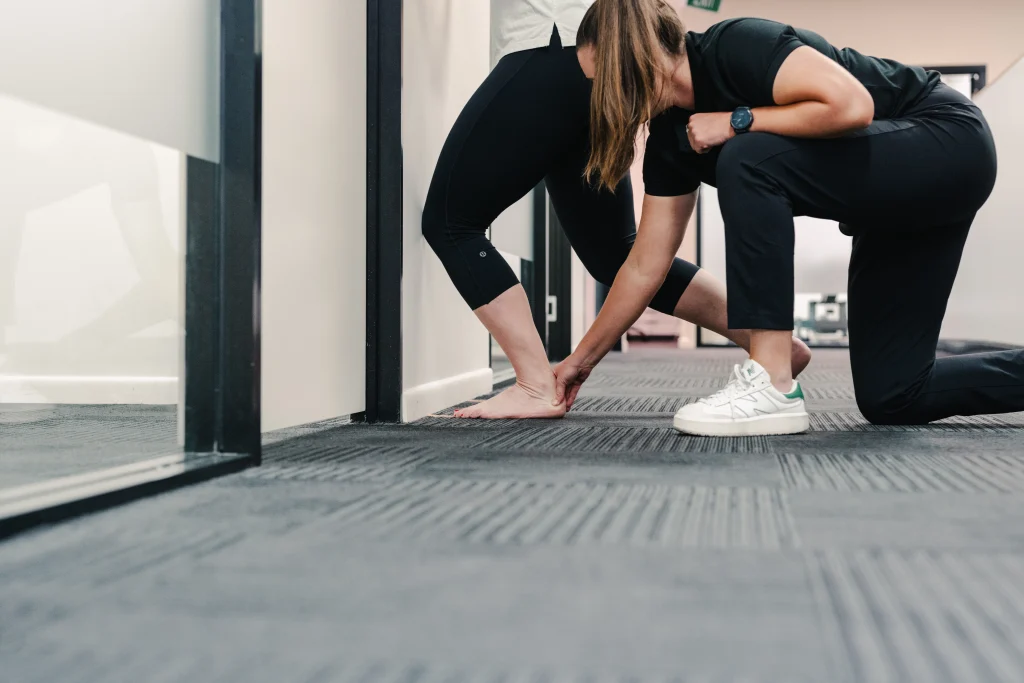
Stretching the plantar fascia and calf muscles can help relieve tension and promote healing. A systematic review on plantar fasciitis treatment concluded that stretching exercises reduce pain and improve function in patients with foot pain.
Simple Exercises to Relieve Pain
- Calf Stretch: Stand facing a wall, place one leg behind, and press the heel into the floor while bending the other knee. Hold for 20-30 seconds and repeat 3 times.
- Toe Curls: Place a towel on the floor, grip it with your toes, and pull it towards you. Repeat this for 10-15 reps.
Using Supportive Footwear
Wearing shoes with proper arch support and cushioning can alleviate pain on the bottom of the foot. Footwear that distributes weight evenly across the foot reduces strain on the plantar fascia and helps prevent further injury. Orthotics, which provide custom support, are especially beneficial for individuals with flat feet.
Footwear Recommendations
- Choose shoes with good arch support and cushioning.
- Opt for shoes designed for specific activities (e.g., running shoes for running).
- Consider orthotic insoles for additional support.
When to Seek Professional Help

Signs You Should See a Physiotherapist
While many cases of foot pain can be managed with home remedies, persistent or worsening symptoms may require professional evaluation. A physiotherapist can assess your foot mechanics, provide targeted exercises, and recommend orthotics or other interventions to address chronic pain.
When to Seek Help
- Pain persists for more than a few weeks despite home care.
- Swelling, redness, or difficulty bearing weight on the foot.
- Pain worsens with activity or does not improve after rest.
Treatment Options for Chronic Foot Pain
For individuals with chronic foot pain, physiotherapy offers a range of treatment options. Manual therapy, custom orthotics, and dry needling are effective treatments supported by scientific research. According to a systematic review, manual therapy combined with stretching exercises significantly reduces pain and improves function in patients with plantar fasciitis.
Common Physiotherapy Treatments
- Custom Orthotics: Help correct foot mechanics and provide long-term support.
- Manual Therapy: Techniques like soft tissue massage can reduce tension and promote healing.
- Dry Needling: Used to release tight muscles and relieve pain.
Preventing Future Foot Pain
Maintaining Foot Health
Preventing foot pain starts with maintaining strong and flexible foot muscles, wearing proper footwear, and incorporating daily stretching into your routine. Regular foot care can help reduce the likelihood of injury and improve overall foot health.
Foot Care Tips
- Stretch your calves and plantar fascia regularly.
- Wear shoes that fit well and provide adequate support.
- Keep your feet dry and clean to prevent infections.
Strengthening Foot Muscles
Strengthening exercises can improve the stability of your feet and help prevent future injuries. A study on foot strengthening exercises showed that individuals who incorporate these exercises into their routine experience fewer injuries and better foot function.
Foot Strengthening Exercises
- Toe Raises: While standing, lift all your toes and then gradually lower them. Repeat for 10-15 reps.
- Arch Lifts: Press your toes into the ground and attempt to lift the arch of your foot. Hold for 5 seconds and repeat 10-15 times.
Conclusion
Foot pain on the bottom of the foot can result from various causes, including plantar fasciitis, flat feet, and overuse. Home remedies such as rest, ice therapy, and stretching exercises can relieve mild to moderate pain. However, if symptoms persist, seeking professional care from a physiotherapist can provide long-term solutions. By maintaining proper foot health through regular exercise, supportive footwear, and physiotherapy when necessary, you can prevent future foot problems.
For personalised care and treatment, the team at SportsPlus Physiotherapy is here to help you get back on your feet pain-free.
References
Garrow, A., Menz, H. B., & Nester, C. J. (2004). The prevalence and impact of foot problems in the community: A review of the literature. Journal of Foot and Ankle Research, 7(1), 52-63. doi:10.1186/s13047-020-0387-x.
American Orthopaedic Foot & Ankle Society. (2021). Footwear and foot pain: A comprehensive review. Retrieved from AOFAS website.
Landorf, K. B., & Menz, H. B. (2008). Orthotic intervention for the management of plantar fasciitis. British Journal of Sports Medicine, 42(4), 240-246. doi:10.1136/bmj.39672.697731.EB.
Garrow, A., & Menz, H. B. (2004). Foot pain and function: A survey of the general population. Foot & Ankle International, 25(5), 290-297. doi:10.1177/107110070402500503.
Bertolini, G., Cazzato, G., & Manzoli, L. (2015). Plantar fasciitis: An update. Journal of Foot and Ankle Research, 8(1), 29. doi:10.1186/s13047-015-0101-3.
Coudane, H., & Boniforti, F. (2006). Flatfoot deformity and its effects on lower limb alignment. Clinical Orthopaedics and Related Research, 448, 209-217. doi:10.1097/01.blo.0000200848.90337.65.
Tarski, J., & Cheung, J. (2020). Overuse injuries in athletes: A review. Sports Medicine, 50(1), 29-41. doi:10.1007/s40279-019-01253-4.


