
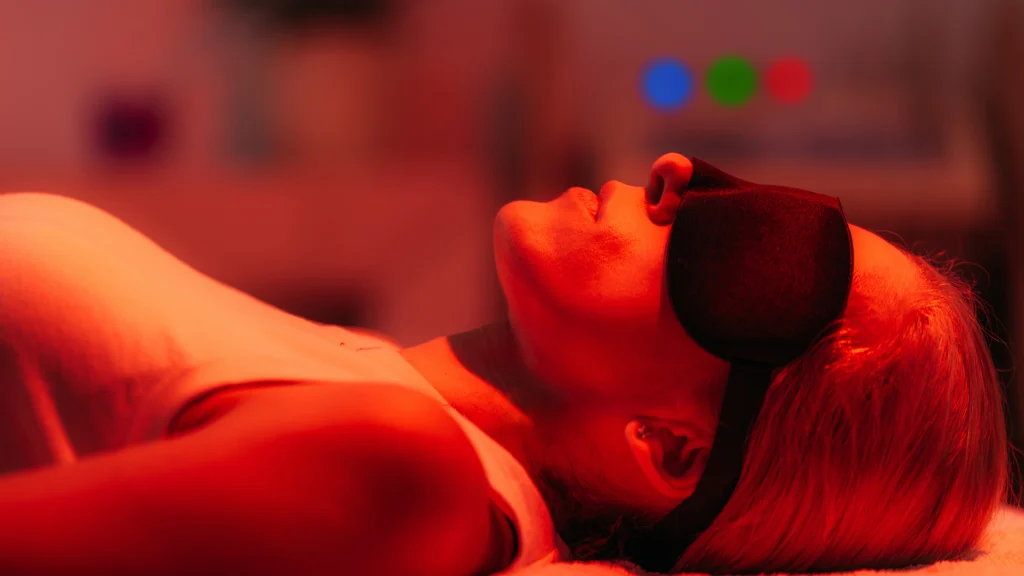
Cold plunges. Red-light beds. Athletes wearing glucose monitors on their arms like they’re in a sci-fi movie.
These trends are absolutely everywhere right now, social feeds, podcasts, gyms, even workplace wellness programs. And people often ask me:
“Do these tools actually help, or are they just expensive ways to feel productive?”
As an Exercise Physiologist, I love curiosity around recovery and performance. But I also like to look at what the research actually says. Because not every shiny new thing is worth your time, money, or icy screams of regret during a cold plunge.
So let’s break down the three biggest “biohacking” tools people ask me about, what the evidence actually supports, and whether they’re worth considering for your recovery routine.
Cold-Water Immersion / Cold Plunges
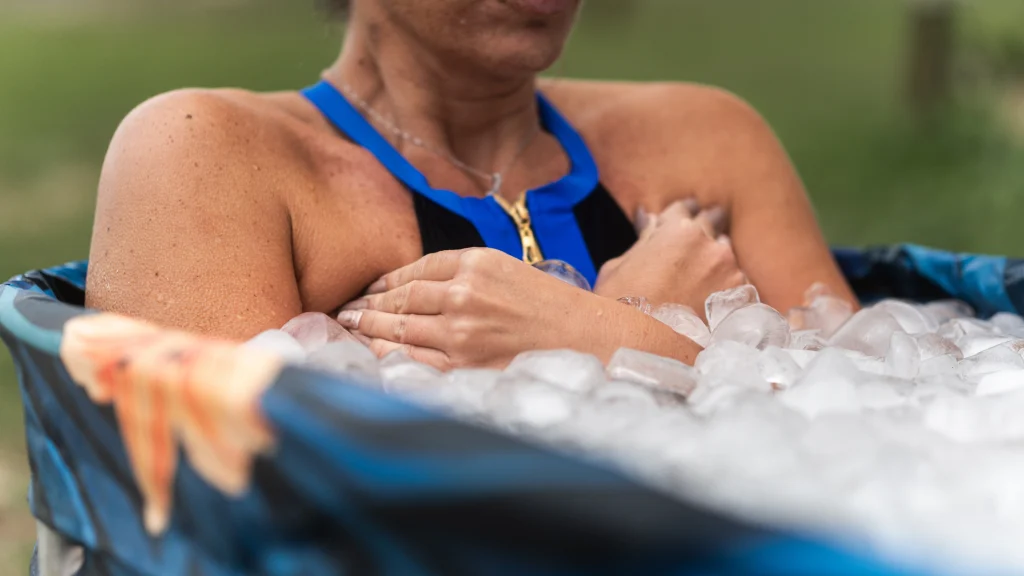
You’ve probably seen athletes jumping into tubs that look like they belong in a seafood market. The promise is simple: less soreness, faster recovery, better performance.
What the research tells us
- Studies show cold-water immersion can help you feel less sore and recover more quickly from hard training sessions. For example, research comparing CWI to passive recovery found improvements in performance, perceived recovery, and reductions in markers like creatine kinase (CK) (Moore et al., 2022).
- It can reduce delayed-onset muscle soreness (DOMS), with lower lactate and CK at 24–48 hours (Xiao et al., 2023).
There are some general health benefits too, things like improved sleep quality and wellbeing (Cain et al., 2025). But there’s a catch:
- If your goal is muscle growth or strength gains, jumping into cold water straight after your session may blunt the normal signals that help muscles adapt (Wiley, 2024 review).
Takeaways
- Great tool if you’re trying to bounce back quickly for tournaments, big training weeks, back-to-back sessions.
- Not ideal straight after strength training if your priority is building muscle.
- It’s helpful, not magical. And no, you don’t need to plunge daily to be “healthy”.
Red-Light Therapy / Photobiomodulation (PBM)
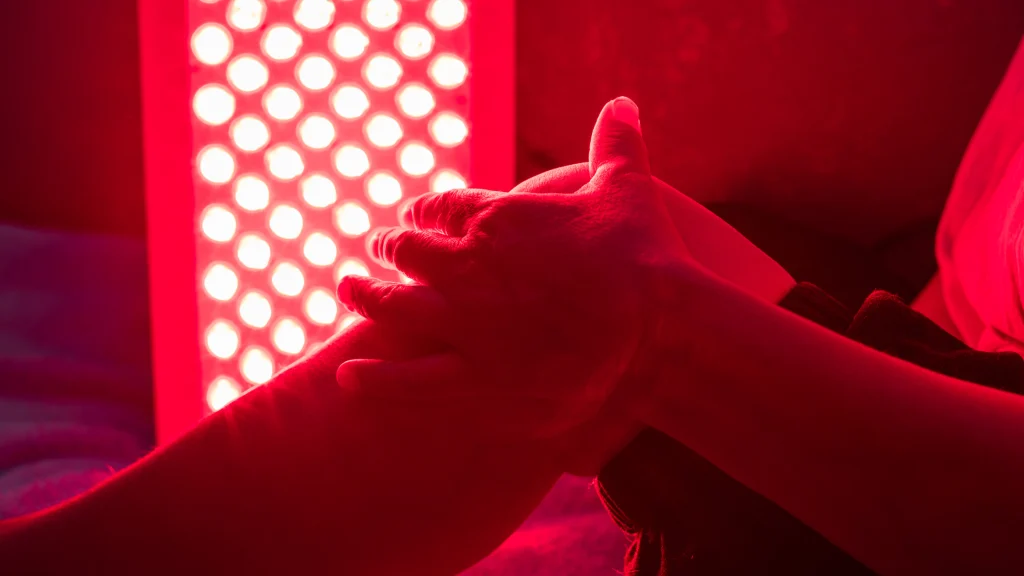
These glowing red panels and full-body beds look futuristic, but the idea is simple: shine red or near-infrared light onto the body to help cells produce more energy and recover faster.
What the research tells us
There’s actually some emerging evidence here:
- Reviews show PBM can reduce muscle damage, improve recovery, and even enhance performance in certain scenarios (Ailioaie & Litscher, 2021).
- Several trials show benefits to fatigue, soreness, and muscle function (González-Muñoz et al., 2023).
But there are some big gaps:
- Not all studies find benefits and some see no difference at all.
- The “dose” is not standardised: wavelength, distance, timing, treatment duration, they all vary.
- The higher-end devices are expensive and not yet accessible for most people.
My EP takeaway
PBM is one of the more promising recovery tools, but it’s a complementary option, not a foundation.
If you already have your sleep, nutrition, hydration and training load sorted, PBM can be a helpful add-on. If those basics aren’t in place, red light isn’t going to fix the underlying issue.
Continuous Glucose Monitors (CGMs) for Athletes
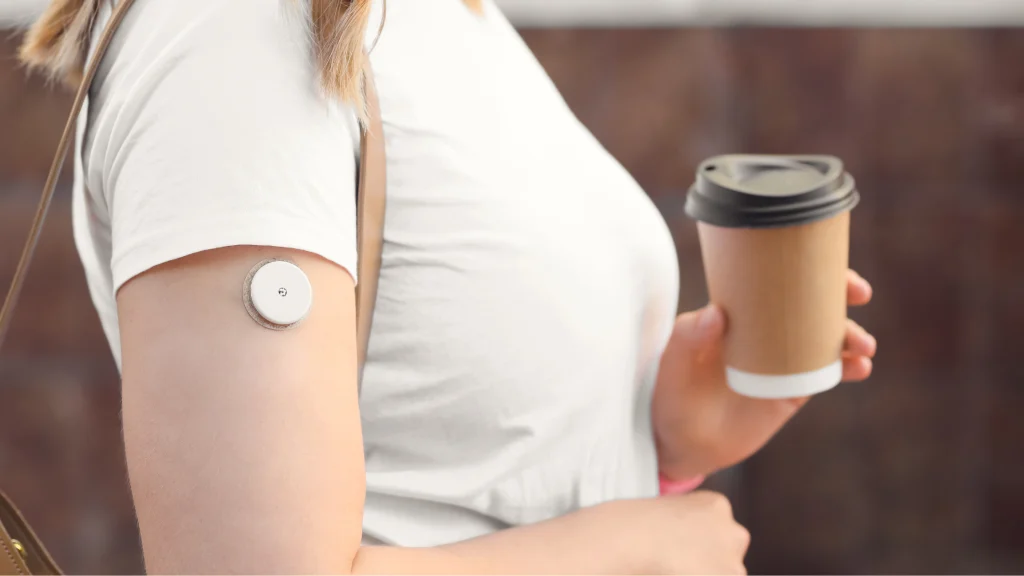
These devices were designed for people with diabetes, but they’ve exploded into the sports world. I get a lot of questions like:
“If I can see my glucose in real time, can I train or recover better?”
What the research tells us
CGM is a high-tech tool with potential:
- Reviews highlight its promise in athletes, tracking glucose responses during long training sessions, fuelling strategies, and recovery patterns (Flockhart et al., 2023).
- It may be particularly useful in endurance sport or multi-session days (Riddell, 2024).
But…
- Accuracy can drop during exercise, sweating, heat and rapid glucose changes.
- Research in healthy athletes is still limited.
- And it can be overwhelming, lots of data, not always clear what to do with it.
- There’s also cost, compliance, and privacy considerations.
My EP takeaway
CGM isn’t essential for most active people.
It’s best suited to:
- endurance athletes
- high-performance environments
- people who genuinely need to optimise fuelling on a granular level
For the general public, you’ll get more benefit focusing on consistent eating patterns, recovery nutrition and listening to your body, rather than micromanaging glucose numbers.
How do you decide if a recovery tool is “worth it”
Any time someone asks me about a new tool, we work through these questions:
- What’s the actual problem we’re trying to solve?
(Fatigue? Soreness? Sleep? Poor fuelling?) - Does the evidence support this tool for your specific goal?
- Can we measure whether it’s working?
(Soreness ratings, performance markers, recovery times.) - Is it cost-effective?
- Will it support, not replace, the basics?
Because no tool beats sleep, nutrition, movement quality and load management.
If we can answer “yes” to all of the above, the tool is probably worth trialling.
Final Thoughts
I love recovery tools. They’re interesting, they’re evolving, and some of them are genuinely effective.
But the truth is:
Recovery tools should enhance your foundation, not become the foundation.
Here’s the simple breakdown:
- Cold plunges = great for reducing soreness and fatigue; not great immediately after strength training.
- Red-light therapy = promising and safe, but protocols vary and cost can be high.
- CGM = valuable for certain athletes, unnecessary for most others.
If you want the biggest return on your efforts:
Prioritise sleep, nutrition, smart training loads and good movement habits first.
Everything else is optional garnish. Still not sure where to start? Get in contact with one of our expert Exercise Physiology team.
References
Ailioaie, L. M., & Litscher, G. (2021). Photobiomodulation and Sports: Results of a Narrative Review. Journal.
Cain, T., et al. (2025). Effects of cold-water immersion on health and wellbeing. PLOS One.
Flockhart, M., et al. (2023). Continuous Glucose Monitoring in Endurance Athletes.
González-Muñoz, A., et al. (2023). Effects of Photobiomodulation in Sports Performance. Applied Sciences, 13(5), 3147.
Moore, E., et al. (2022). Impact of Cold-Water Immersion Compared with Passive Recovery.
Riddell, M. C. (2024). Continuous Glucose Monitoring Use in Athletes Without Diabetes. Sports Science Exchange.
Xiao, F., et al. (2023). Effects of cold water immersion after exercise on fatigue. Frontiers in Physiology.
Wiley review (2024). Cold Water Immersion Attenuates Anabolic Signalling and Skeletal Muscle Fibre Hypertrophy.

